Setting Up for Outdoor Work
The real challenge isn't the painting—it's getting set up fast enough before the light changes. We're talking 15-20 minutes maximum if you want to capture a specific moment. Your kit needs to be genuinely portable, not just something you say is portable while carrying a wooden box that weighs eight kilos.
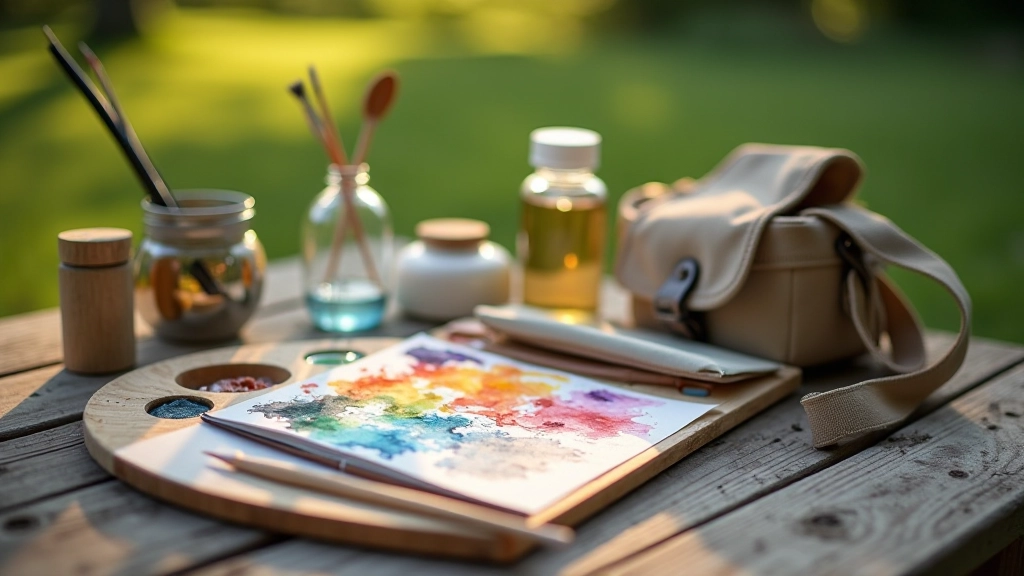
Start with a proper field bag. Not a backpack. A messenger-style bag that opens flat so you can access everything without digging. We use canvas with leather straps because they actually last through seasons of outdoor work. Inside, you'll want your paints already arranged—don't pack them loose. A small wooden palette (around 25cm) fits perfectly and keeps your colors organized exactly how you mixed them yesterday.
Paper's the tricky part. Bring more than you think you'll use. Moisture, wind, mistakes—they all add up. We typically pack 6-8 sheets of 300gsm paper, already cut to working size. Carrying a full pad wastes weight. Also, that paper needs protection. A simple cardboard folder keeps sheets flat and protected from your bag's other contents.
Water Management and Weather Reality
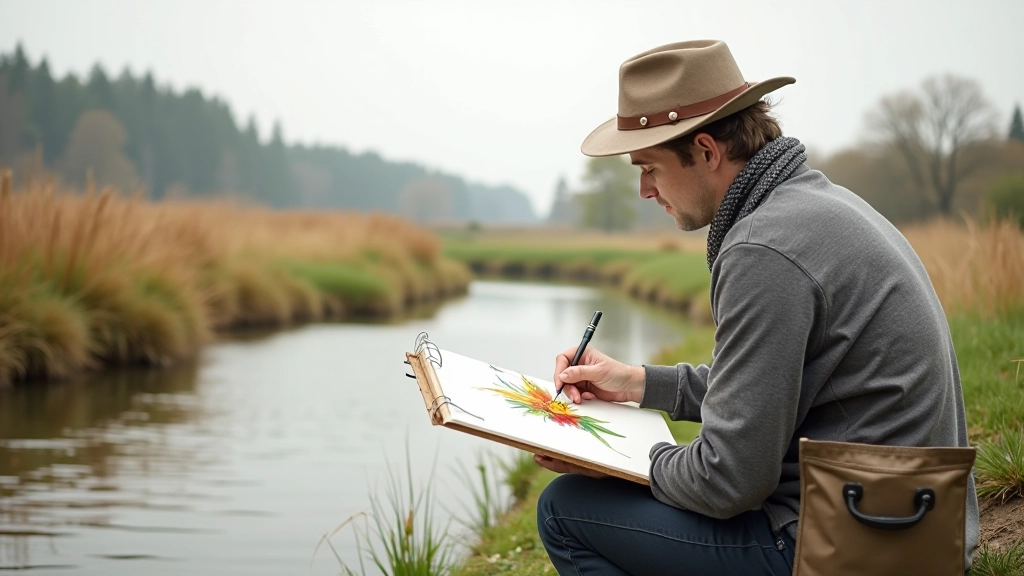
Water's your biggest logistical problem outdoors. You need clean water to mix, clean water to rinse brushes, and dirty water to discard. Most painters try to manage with one container. Don't do that. You'll end up with murky mixes and frustrated sessions.
Bring three containers. One for clear rinse water (update it every 30 minutes), one for mixing, one for your final rinse before packing up. Collapsible water bags work better than rigid bottles—they flatten when empty and don't take up space. We fill them from natural sources when possible. The Svratka River near Brno works perfectly for landscape painting spots, and the water's cool enough that your pigments won't shift temperature too drastically.
Weather's honestly unpredictable in Moravia. You'll get sunny mornings that cloud over by 10am. Wind's common—it'll dry your washes faster than you'd like. Rain stops you working altogether. The trick isn't fighting this. It's accepting it. Bring a lightweight waterproof bag for your finished work. Pack up quickly when conditions turn. And don't plan ambitious multi-hour sessions. Two solid hours of painting outdoors beats five hours indoors every time.
Capturing Light Changes as They Happen
This is why you're painting outdoors. The light moves. Colors shift. Shadows travel across the landscape in real time. You're not copying a photograph—you're responding to a living scene. That's the whole point.
The first 20 minutes after you start are crucial. Your eye adjusts. You'll see subtleties in the landscape you missed at first glance. Greens separate into five different hues instead of looking like one solid mass. Shadows have colors—violets, browns, cool grays. This is when you work fastest, laying down big shapes and establishing your value structure before the light shifts too much.
Don't chase every light change. You'll end up with confused paintings that look like they were painted over three hours with three different light directions. Instead, commit to the light you see in the first five minutes. Paint that. Let the later light inform your refinements, but keep your foundation solid. This discipline matters more than technical skill at this stage.
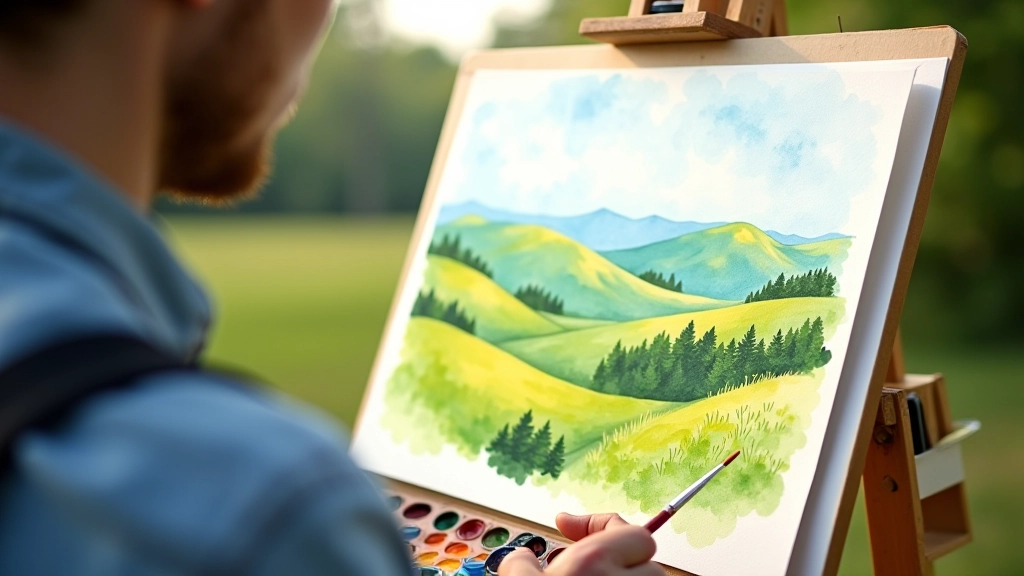
Location Scouting Around Brno
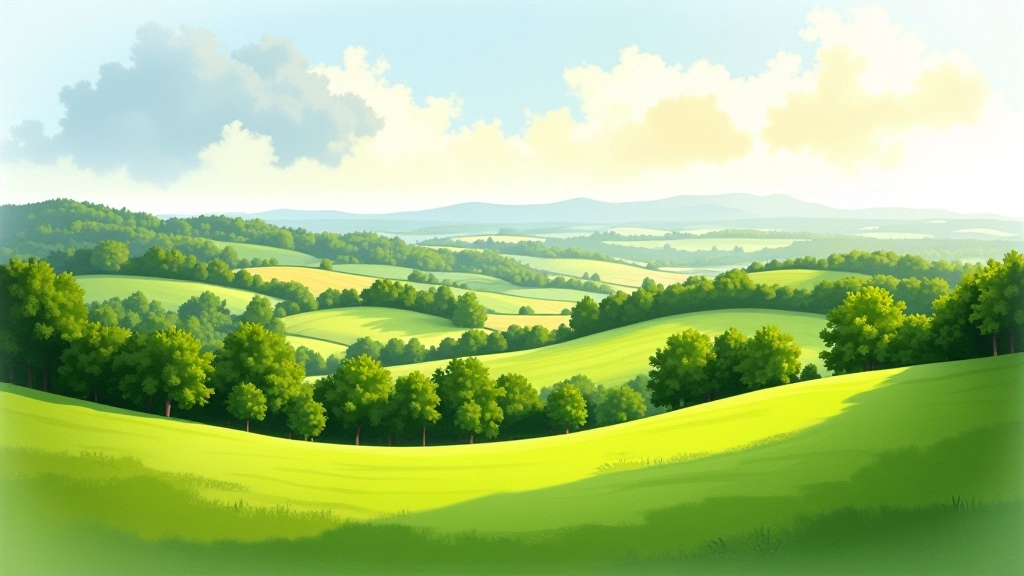
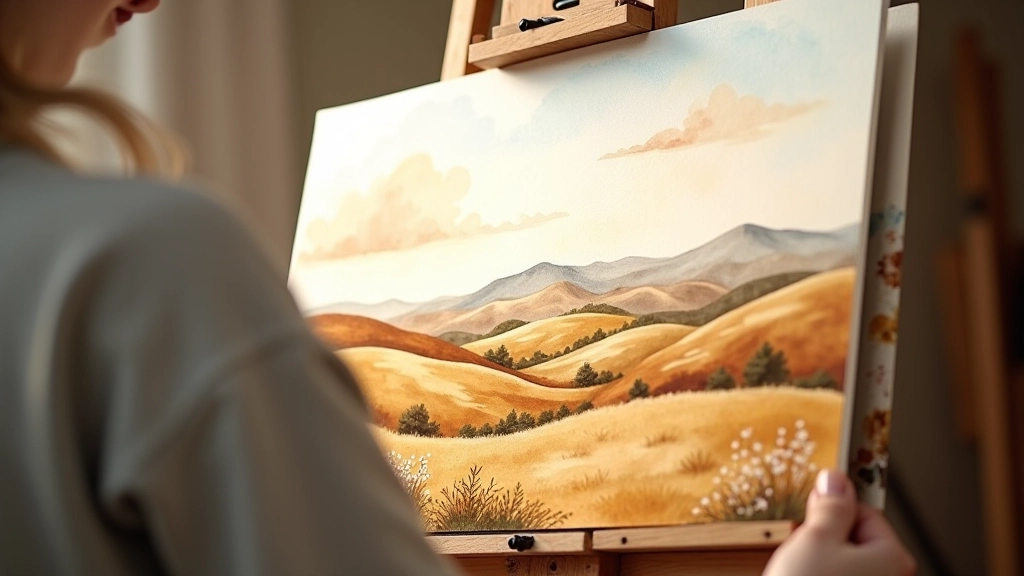
Brno and its surroundings offer genuinely excellent painting spots. The landscape isn't dramatic—no mountains, no extreme contrasts. That's actually perfect for learning. You work with subtle value shifts and color relationships instead of relying on extreme drama to make a painting work.
The vineyards south of Brno give you warm earthy tones and interesting compositional lines. The Svratka River valley provides water reflections and cool greens contrasting with cultivated fields. Even the areas immediately around Brno have parks with interesting tree masses and changing ground planes. You don't need to travel hours. The landscape within 20 minutes of the city center provides weeks of worthwhile painting subjects.
Access matters practically. Bring binoculars and scout locations before committing your painting time. Look for spots where you won't be constantly interrupted—back roads work better than popular tourist areas. Also consider sun angle. Morning light in one location might be harsh afternoon light somewhere else. Time your visits to catch light directions that excite you.
A Note on Outdoor Painting
Individual learning outcomes vary from person to person. Your first outdoor sessions might feel awkward. That's completely normal. The techniques described here are meant to guide your practice, not guarantee specific results. Weather conditions, location characteristics, and personal artistic choices all influence what you'll create. Keep practicing, stay flexible with your approach, and you'll develop your own rhythm for location painting.
Making It Work for You
Outdoor painting takes practice. Your first attempts won't feel smooth. You'll forget supplies, misjudge timing, and paint in awkward positions. Every artist does. The real skill isn't technical perfection—it's building a sustainable system that lets you paint regularly despite weather, logistics, and unexpected challenges.
Start small. Paint for two hours, not five. Choose nearby locations where you feel comfortable. Keep your kit simple until you genuinely understand what you use and what you don't. The painters who excel at location work aren't the most talented—they're the ones who got outdoors consistently and solved problems as they appeared.
Brno and the Moravian landscape are genuinely excellent places to develop this skill. The light's beautiful, the terrain's forgiving, and the community of painters here is supportive. Get out there, set up your kit, and paint what you see. That's all there is to it.