Why Paper Matters More Than You'd Think
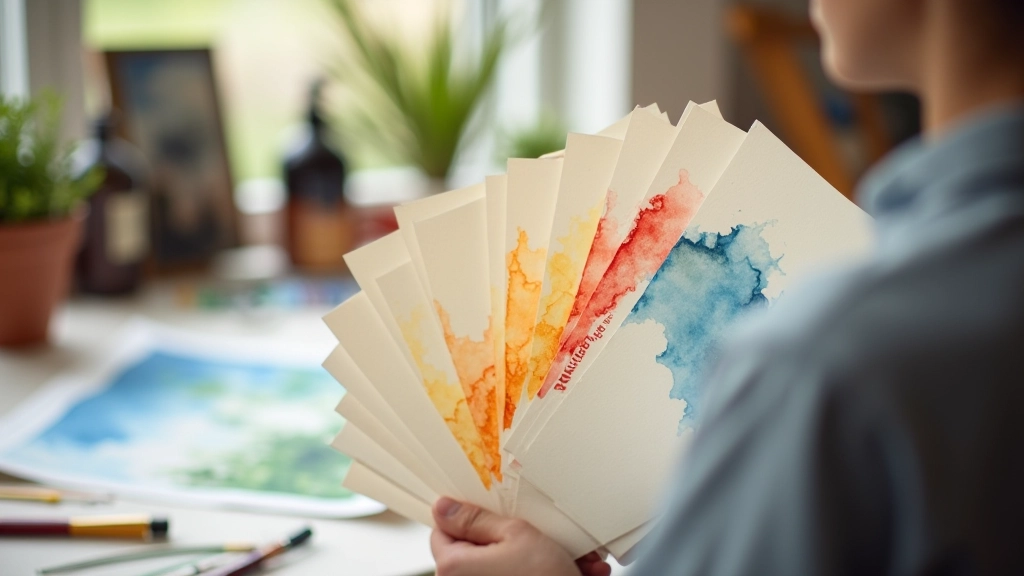
Here's the thing — most beginners grab whatever paper they find, and that's actually the first mistake. Paper isn't just a surface. It's the foundation of everything that happens next. Cold-pressed watercolour paper has texture that holds pigment beautifully. Hot-pressed paper is smoother, better for detail work. But here's what matters most: weight and cotton content.
We're talking about 140gsm minimum — anything lighter and you'll fight with buckling and warping. Look for paper that's at least 25% cotton. That sounds technical, but it just means the paper absorbs water properly instead of turning into pulp under your brush. Rough texture grabs pigment and creates that characteristic watercolour sparkle you see in professional work. Start with rough paper. It's forgiving.
Building Your Colour Palette Without Spending Everything
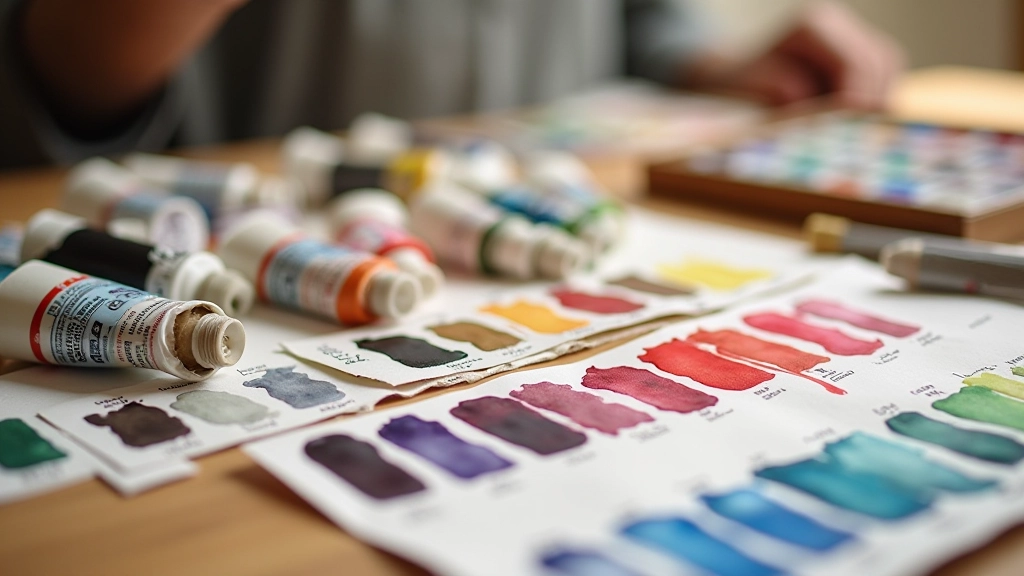
You don't need 50 colours. Honestly, that's one of the biggest lies in art. Start with 6-8 good colours and you'll paint better landscapes than someone with a huge collection they don't understand. We're talking ultramarine blue, cerulean blue, burnt sienna, raw sienna, alizarin crimson, cadmium yellow light, and maybe viridian green. That's it. That covers almost every landscape you'll paint.
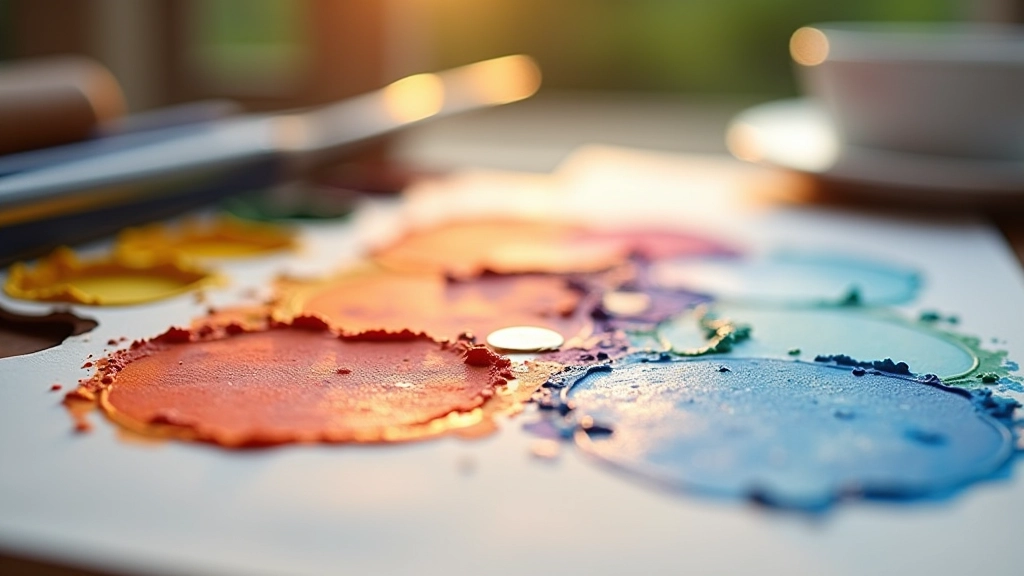
Quality matters here more than quantity. Artist-grade paints have more pigment, so they're more vibrant and transparent. Student grade works fine while you're learning, but don't go bargain-bin cheap. You'll get frustrated with muddy colours that won't mix properly. Buy one good brush, one decent palette, and mix colours on the palette itself. That's where real learning happens — understanding how ultramarine and sienna combine to make beautiful greens.
Individual learning outcomes vary from person to person. Your progress will depend on practice frequency, materials quality, and personal style development. Some painters see visible improvement in 4-6 weeks. Others take longer. That's completely normal and doesn't reflect your potential.
The Technique That Changes Everything: Wet-on-Wet
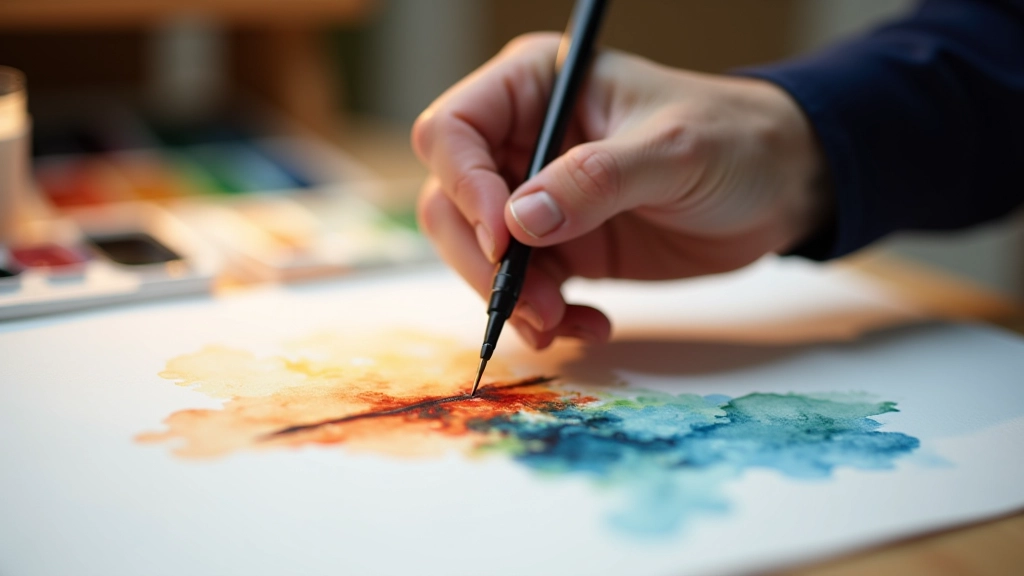
Watercolour isn't like acrylic or oil. You're not painting with thick pigment. You're working with water and light. The moment this clicks, everything changes. Wet-on-wet is the foundational technique — and honestly, it's where 80% of beautiful landscape effects come from. You wet your paper with clean water, let it sit for a few seconds, then drop in colour. The pigment blooms and flows naturally. You're not fighting it.
Your first attempts won't be perfect. They'll probably look like happy accidents — and that's exactly right. You're learning how pigment moves in water. After a few dozen sheets, your instinct kicks in. You start understanding timing — when paper is too wet, when it's just right, when it's drying. That knowledge can't be taught. It's learned through failure and repetition.
Getting Started Without Overthinking It
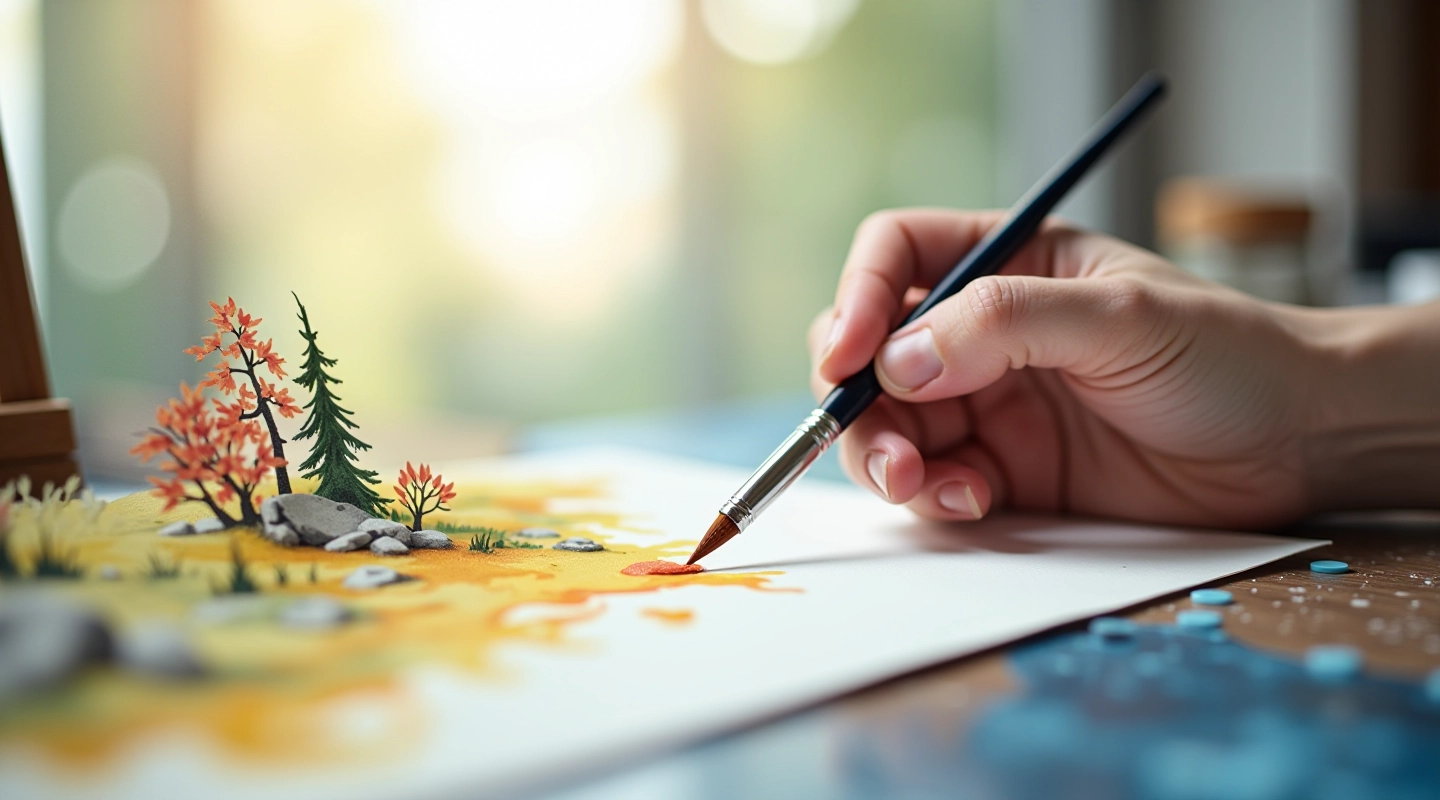
You've got paper, paint, and a brush. Now what? Start simple. Really simple. Pick a landscape you like — doesn't matter if it's from a photo or your imagination. Don't worry about perspective or anatomy. Paint a sky. That's literally it. Wet the paper, drop in colour, watch it move. Do that 10 times. Each one will teach you something different about how water and pigment interact.
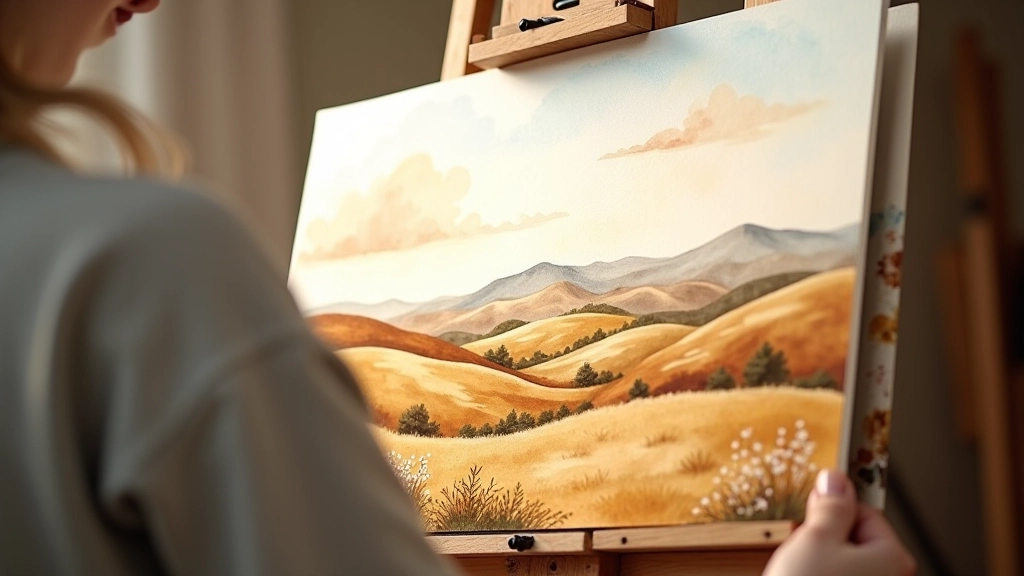
Then add a simple horizon line. A hill. Some trees. Don't aim for photorealism. Watercolour rewards simplification and suggestion over detail. A few brushstrokes suggesting a forest is more powerful than every tree outlined perfectly. Your brain fills in the rest. That's the magic of the medium. You're working with the paper and the pigment, not against them. Once you stop trying to control everything, you'll actually start enjoying the process.
The First Step Is Actually Starting
Your first watercolour landscape won't be gallery-worthy. That's not the point. The point is understanding how this medium works — how water moves, how colours mix, how light plays on paper. Every sheet you paint teaches you something. The 10th painting will be better than the 1st. The 50th will be noticeably different. By painting 100, you'll have developed a style and instinct that's uniquely yours.
Stop researching and start painting. Get decent paper, a small selection of quality colours, and a couple of brushes. That's enough. The rest is just showing up, mixing colours, and letting the pigment do what it wants to do. You'll make mistakes. You'll love some paintings and hate others. That's exactly how it's supposed to work. Welcome to watercolour landscape painting.